Stories
Crochet vs Knitting: What's the Difference and Which Should You Choose?
21 Nov 2026
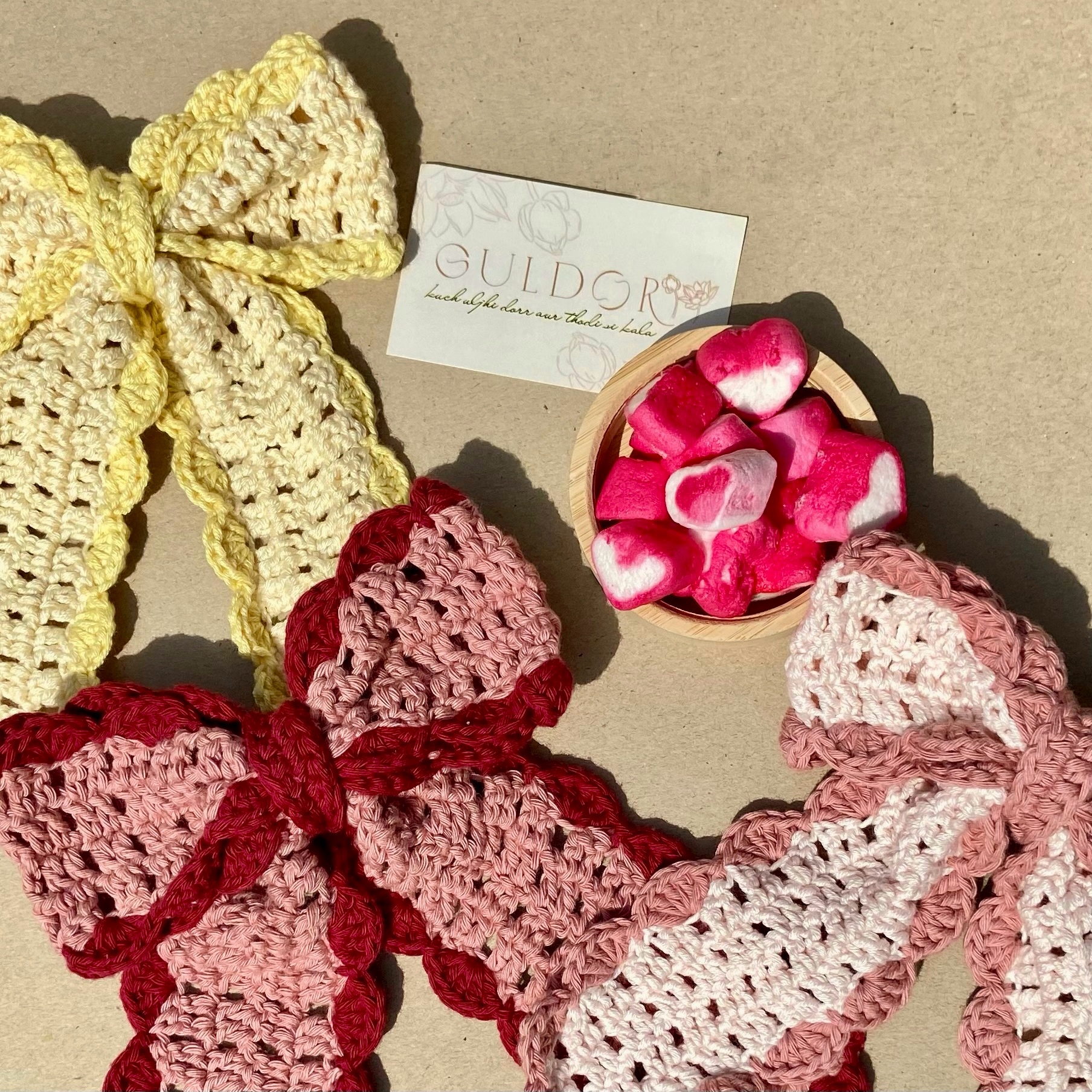
Crochet and knitting both turn yarn into beautiful handmade creations, but they use different tools and techniques. Discover their key differences, common products, textures, and what to consider when choosing handmade gifts.
Crochet vs Knitting: What's the Difference and Which Should You Choose?<p>When browsing handmade products, you may come across two familiar words: <strong>crochet</strong> and <strong>knitting</strong>.</p><p>Both crafts use yarn to create beautiful, practical, and decorative items. Both involve patience, creativity, and skilled handwork. Yet the techniques behind them are surprisingly different.</p><p>A crochet flower bouquet, for example, is created using a different method from a traditionally knitted scarf. Although both products begin with yarn, the tools, stitch structures, textures, and finished results can vary considerably.</p><p>Understanding these differences can help you appreciate handcrafted products and choose items that suit your preferences.</p><p>In this guide, we'll explore how crochet and knitting work, what makes each craft distinctive, and when you might prefer one over the other.</p><h2>1. What Is Crochet?</h2><p>Crochet is a method of creating fabric by forming loops of yarn with a hooked tool called a <strong>crochet hook</strong>.</p><p>The maker inserts the hook into stitches, draws yarn through loops, and builds a pattern using different crochet techniques.</p><p>Common crochet stitches include:</p><ul><li><p>Chain stitch</p></li><li><p>Slip stitch</p></li><li><p>Single crochet</p></li><li><p>Half double crochet</p></li><li><p>Double crochet</p></li><li><p>Treble crochet</p></li></ul><p>Stitch terminology can vary between countries. For example, US and UK crochet patterns sometimes use different names for similar stitches.</p><p>Crochet can produce both dense and open fabric structures, depending on the yarn, hook size, and stitch pattern.</p><h3>What Can Be Made with Crochet?</h3><p>Crochet is particularly popular for creating decorative and textured objects.</p><p>Examples include handmade flowers, bouquets, soft toys, coasters, bags, blankets, accessories, and home decorations.</p><p>Three-dimensional crochet projects can be shaped using increases, decreases, and carefully arranged stitches.</p><p>This versatility makes crochet an interesting craft for decorative gifting.</p><h2>2. What Is Knitting?</h2><p>Knitting is a textile-making technique that creates fabric by forming interconnected loops of yarn.</p><p>Traditional hand knitting generally uses two knitting needles, although other tools and methods are also available.</p><p>Unlike conventional crochet, knitting usually keeps multiple active stitches on the needles at the same time.</p><p>The two foundational knitting stitches are:</p><ul><li><p>Knit stitch</p></li><li><p>Purl stitch</p></li></ul><p>By combining these stitches with other techniques, knitters can create different textures, patterns, and fabric structures.</p><p>Knitted fabric is commonly used in clothing because many knitted constructions offer flexibility and comfortable stretch.</p><h3>What Can Be Made with Knitting?</h3><p>Popular knitted products include sweaters, cardigans, scarves, socks, hats, baby clothing, shawls, and blankets.</p><p>Knitting can also be used for toys and decorative accessories.</p><p>The finished appearance depends on the yarn, needle size, stitch pattern, and construction method.</p><h2>3. Crochet vs Knitting: Key Differences</h2><p>Although crochet and knitting share some materials, they differ in several important ways.</p>FeatureCrochetKnittingMain toolCrochet hookKnitting needlesTypical active loopsUsually oneUsually multipleCommon stitchesChain, single crochet, double crochetKnit, purlFabric textureCan be structured or flexibleOften flexible and drapeyThree-dimensional shapingCommonly used for toys and flowersAlso possible with shaping techniquesCommon productsFlowers, toys, bags, decorSweaters, socks, scarves, clothingLearning experienceSome beginners find one-hook handling easierSome beginners prefer repetitive knit stitches<p>Neither craft is automatically superior.</p><p>Each offers different creative possibilities.</p><h2>4. Why Do Crochet and Knitting Feel Different?</h2><p>One noticeable difference between crochet and knitting is how their fabrics are constructed.</p><p>Crochet stitches often contain more visible knots, loops, and textured structures.</p><p>Depending on the stitch, this can produce a fabric that holds its shape well.</p><p>Knitting commonly creates rows or rounds of interconnected loops that can stretch and move more freely.</p><p>For example, a knitted scarf made with a smooth yarn and simple stitch pattern may drape softly around the neck.</p><p>A tightly crocheted decorative flower may hold a more defined shape.</p><p>However, these are not universal rules.</p><p>A loose crochet lace pattern can be delicate and flexible, while a densely knitted fabric can feel firm and structured.</p><p>Yarn choice and stitch tension matter just as much as the craft itself.</p><h2>5. Why Is Crochet Popular for Handmade Flowers?</h2><p>Crochet flowers are an interesting example of how yarn can be transformed into decorative shapes.</p><p>Using different stitches, makers can create petals, leaves, stems, and flower centres.</p><p>By increasing or decreasing stitch counts, a maker can control the curvature and dimensions of each component.</p><p>A crochet rose may use layered or spiral-shaped petals.</p><p>A sunflower-inspired design may feature a textured centre surrounded by separate petals.</p><p>A tulip-inspired design may use a rounded, cup-like shape.</p><p>These flowers can be assembled into bouquets or used as individual decorations.</p><p>Because crochet allows precise construction of small components, it is a practical technique for many three-dimensional floral designs.</p><p>Knitted flowers are possible too, but crochet is frequently chosen for this type of decorative work.</p><h2>6. Which Craft Is Better for Clothing?</h2><p>Both crochet and knitting can produce attractive clothing.</p><p>The best choice depends on the garment's intended fit, structure, and style.</p><h3>Knitted Clothing</h3><p>Knitting is commonly associated with sweaters, cardigans, socks, and other garments that benefit from stretch.</p><p>Different knitting patterns can produce smooth surfaces, ribbed textures, cables, or lace.</p><p>For fitted garments, the stretch characteristics of knitted fabric can be particularly useful.</p><h3>Crocheted Clothing</h3><p>Crochet can be used to create tops, cardigans, vests, shawls, and other wearable items.</p><p>It offers many opportunities for decorative patterns, openwork, and distinctive textures.</p><p>However, some crochet constructions may be thicker or less elastic than comparable knitted fabrics.</p><p>This does not make them unsuitable for clothing. It simply means the maker needs to choose the yarn, pattern, and fit carefully.</p><p>For buyers, the most useful approach is to evaluate the actual garment rather than assume that one technique always produces better clothing.</p><h2>7. Does Crochet Use More Yarn Than Knitting?</h2><p>You may have heard that crochet always requires more yarn than knitting.</p><p>The reality is more complicated.</p><p>Certain crochet stitch structures can consume more yarn than comparable knitted patterns, but yarn usage varies with several factors.</p><p>These include:</p><ul><li><p>Stitch type and density</p></li><li><p>Yarn thickness</p></li><li><p>Hook or needle size</p></li><li><p>Project dimensions</p></li><li><p>Individual stitch tension</p></li><li><p>Decorative details</p></li></ul><p>For example, a heavily textured knitted pattern may use more yarn than a simple open crochet design.</p><p>If you are making a project yourself, the most reliable method is to check the pattern's estimated yarn requirements.</p><p>If you are purchasing a finished product, focus on its quality, materials, construction, and suitability rather than yarn consumption alone.</p><h2>8. Which Is Easier for Beginners: Crochet or Knitting?</h2><p>There is no single answer.</p><p>Some beginners find crochet easier because they usually work with one hook and one active loop.</p><p>Others enjoy knitting because basic knit and purl stitches can become rhythmic with practice.</p><p>Crochet beginners might start with a chain, a small square, or a simple coaster.</p><p>Knitting beginners might begin with a basic scarf or a small rectangular sample.</p><p>Both crafts require practice to develop consistent stitch tension.</p><p>Mistakes are a normal part of learning, and progress depends more on patience and regular practice than on choosing the supposedly easiest craft.</p><p>If you are interested in learning, choose a simple project that genuinely excites you.</p><h2>9. How to Identify Crochet and Knitted Products</h2><p>You can sometimes recognise the technique by examining the stitch structure.</p><h3>Look at the Loops</h3><p>Traditional knitted fabric often shows repeated V-shaped stitches, particularly in stockinette stitch.</p><p>Crochet fabric may display more distinct stitch posts, chains, or textured clusters.</p><p>However, some advanced patterns imitate the appearance of other techniques.</p><h3>Examine the Product Shape</h3><p>Structured decorative flowers and amigurumi-style toys are often crocheted.</p><p>Stretchy ribbed garments and smooth stockinette sweaters are commonly knitted.</p><p>These are useful clues, not definitive identification methods.</p><h3>Read the Product Description</h3><p>The simplest approach is to check whether the seller clearly identifies the technique.</p><p>A reliable description should explain the product's materials, dimensions, and care requirements.</p><p>If the information is unclear, contact the seller before purchasing.</p><h2>10. Are Crochet and Knitting Sustainable Crafts?</h2><p>Crochet and knitting are sometimes associated with sustainable fashion and slow living.</p><p>However, the environmental impact of a finished item depends on more than whether it was handmade.</p><p>Factors such as fibre production, dyeing, durability, packaging, washing, and transportation all matter.</p><p>For example, a handmade product made from synthetic yarn still has environmental considerations related to its materials.</p><p>Similarly, a knitted garment that is frequently worn and carefully maintained may offer practical value over many years.</p><p>Choosing products that are durable, useful, and genuinely appreciated is a sensible starting point.</p><p>Neither crochet nor knitting should automatically be described as environmentally friendly without considering the complete product.</p><h2>11. How to Care for Crochet and Knitted Items</h2><p>Different yarns require different cleaning methods.</p><p>Some cotton products may tolerate gentle washing, while certain wool items need specialised care.</p><p>Decorative crochet flowers may contain internal supports, adhesives, or other components that should not be soaked.</p><p>Before cleaning any handmade product:</p><ol><li><p>Check the seller's care instructions.</p></li><li><p>Identify the yarn or fibre where possible.</p></li><li><p>Avoid unnecessary heat and harsh chemicals.</p></li><li><p>Handle delicate stitches gently.</p></li><li><p>Allow washed items to dry using an appropriate method for their materials.</p></li></ol><p>Correct care helps maintain the appearance and structure of handmade products.</p><p>For more detailed advice, read our Guldorii guide on <strong>How to Care for Handmade Crochet and Knitted Items</strong>.</p><h2>12. Discover Handmade Creations at Guldorii</h2><p>Understanding the difference between crochet and knitting makes it easier to appreciate the work behind handcrafted products.</p><p>At <strong>Guldorii</strong>, visitors can explore the website for handmade gift inspiration and decorative creations.</p><p>Whether you are interested in crochet flowers, thoughtful presents, or handcrafted designs, consider the materials, construction, appearance, and care requirements before making a purchase.</p><p>Visit <a href="https://guldorii.com/" rel="noopener noreferrer"><strong>https://guldorii.com/</strong></a> to explore the available collections and discover gift ideas for different occasions.</p><h2>Final Thoughts</h2><p>Crochet and knitting are two creative ways of transforming yarn into something useful or beautiful.</p><p>Crochet uses a hook and offers considerable flexibility for textured and three-dimensional designs.</p><p>Knitting commonly uses needles and is widely appreciated for garments, accessories, and flexible fabrics.</p><p>Both crafts require skill, attention, and creativity.</p><p>When choosing between them, think about the product's purpose rather than deciding that one technique is always better.</p><p>A crochet flower can be a beautiful decorative keepsake. A knitted scarf can offer warmth and comfort. Both can become meaningful gifts when thoughtfully selected.</p><p><strong>The beauty of handmade craftsmanship is not in choosing crochet over knitting. It is in appreciating the creativity behind each stitch.</strong></p>