Craft Care & Tips
How to Care for Handmade Crochet and Knitted Items
12 Nov 2026
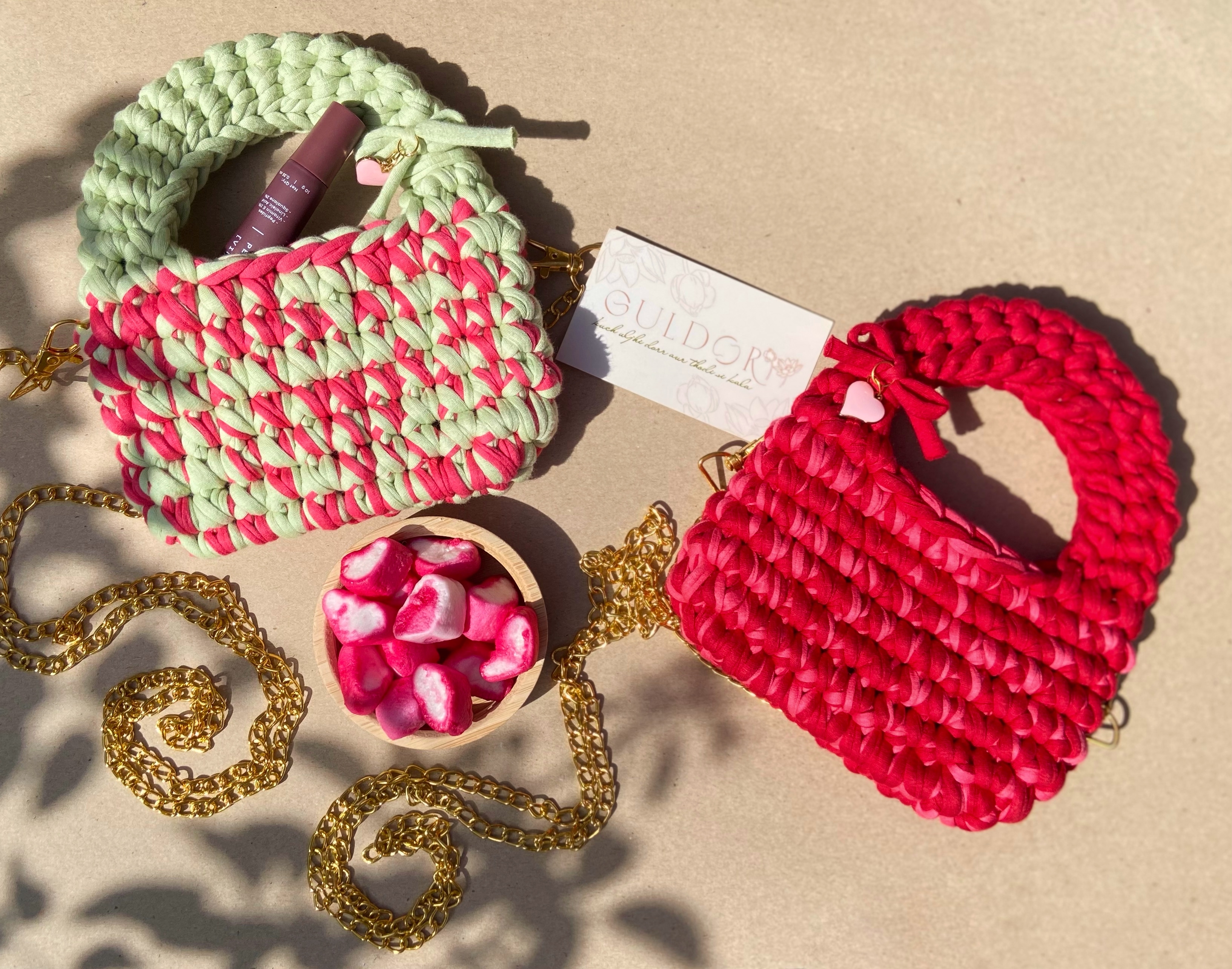
Handmade crochet and knitted pieces deserve thoughtful care. Learn practical washing, drying, storage and everyday maintenance tips to help keep your favourite creations beautiful.
How to Care for Handmade Crochet and Knitted Items<p>There is something special about a handmade crochet bag, a knitted scarf, or a carefully crafted blanket. Every loop and stitch reflects the time, patience, and creativity of the person who made it.</p><p>Unlike many mass-produced accessories, handmade pieces may require a little extra attention. The right care depends on the yarn, construction, colour, and intended use of the item.</p><p>At Guldorii, we believe caring for a handmade creation is another way of appreciating the craftsmanship behind it. Whether you have received a thoughtful handmade gift or purchased something for yourself, these practical tips can help you enjoy it for longer.</p><h2>1. Understand the Material Before Washing</h2><p>The first step in caring for any crochet or knitted item is understanding what it is made from.</p><p>Handmade products can be created using cotton, wool, acrylic, polyester blends, or other fibres. Each material responds differently to water, heat, friction, and cleaning products.</p><p>For example, some cotton items can tolerate gentle washing, while certain wool items may shrink or felt when exposed to heat and agitation. Some decorative pieces may not be suitable for immersion at all.</p><p>Before washing:</p><ul><li><p>Check the maker's care instructions or attached label.</p></li><li><p>Identify the fibre content whenever possible.</p></li><li><p>Look for delicate decorations, beads, buttons, or loosely attached details.</p></li><li><p>Test an inconspicuous area for colour transfer when appropriate.</p></li><li><p>Avoid guessing that an item is machine washable simply because it feels strong.</p></li></ul><p>If the material is unknown, ask the maker for guidance before attempting a full wash.</p><h2>2. Choose Gentle Cleaning Methods</h2><p>Not every handmade item needs to be washed after each use. Sometimes, airing it out or gently removing surface dust is enough.</p><p>When the care instructions permit hand washing, use a clean basin with water at the temperature recommended for the fibre. Add a small amount of suitable mild detergent and mix it gently.</p><p>Place the item in the water and allow it to become wet without pulling or scrubbing the stitches. Lightly press the fabric to help release dirt.</p><p>Avoid aggressive rubbing, twisting, or stretching, especially around decorative edges and open crochet patterns.</p><p>Rinse according to the fibre's care requirements until the cleaning product is removed.</p><p><strong>Important:</strong> Hand washing is not automatically safe for every handmade item. Structured bags, pieces with glued decorations, and products containing materials that cannot get wet may need spot cleaning or specialist care instead.</p><h2>3. Never Wring a Delicate Handmade Piece</h2><p>A wet crochet or knitted item can become heavier than it appears.</p><p>Twisting the fabric to remove water may stretch the stitches, distort the shape, or weaken delicate sections.</p><p>For washable items, gently support the fabric and press out excess water without twisting it.</p><p>You can then place the item on a clean towel, roll the towel carefully, and apply gentle pressure to absorb additional moisture.</p><p>This method is particularly helpful for soft accessories that may lose their shape when handled roughly.</p><h2>4. Dry Carefully to Protect the Shape</h2><p>Drying is one of the most important parts of handmade textile care.</p><p>Hanging a heavy, wet knitted or crochet item can cause it to stretch under its own weight.</p><p>For items suitable for flat drying, spread a clean, dry towel on a flat surface and arrange the piece in its intended shape.</p><p>Straighten the edges gently without pulling the stitches. Allow air to circulate and follow the fibre's instructions regarding sunlight and heat.</p><p>Avoid placing delicate items directly against heaters or using high-temperature tumble drying unless the maker specifically recommends it.</p><p>For structured products, such as handmade bags, follow the maker's drying guidance to avoid damaging internal supports or decorative elements.</p><h2>5. Store Handmade Items Thoughtfully</h2><p>Good storage can make everyday maintenance easier.</p><p>Before putting a handmade piece away, make sure it is clean and completely dry.</p><p>Fold suitable garments and blankets rather than hanging them for long periods, especially when their weight could stretch the fabric.</p><p>Choose a clean, dry storage space with enough ventilation for the material. Avoid compressing delicate three-dimensional decorations under heavy objects.</p><p>For seasonal storage, consider the needs of the fibre. Wool and other animal fibres may need appropriate protection from fabric pests.</p><p>If you store handmade gifts for special occasions, check them occasionally rather than leaving them untouched for years.</p><h2>6. Handle Loose Threads and Snags with Care</h2><p>A small snag does not always mean that a handmade item is ruined.</p><p>Crochet and knitting are formed from interconnected loops, so pulling a loose strand can sometimes disturb neighbouring stitches.</p><p>If you notice a snag:</p><ul><li><p>Stop using the item until you inspect the area.</p></li><li><p>Avoid pulling the loose yarn.</p></li><li><p>Do not immediately cut a strand that may be part of the construction.</p></li><li><p>Ask the maker or an experienced textile repairer for help if the stitch structure is unclear.</p></li></ul><p>For a valuable or sentimental handmade piece, a careful repair is usually preferable to an improvised fix.</p><h2>7. Give Everyday Accessories a Little Extra Attention</h2><p>Handmade bags, coasters, scarves, and home decorations face different kinds of wear.</p><p><strong>Crochet bags:</strong> Avoid overloading them beyond their intended capacity. Heavy contents may stretch the handles or body, especially when the design is made with flexible yarn.</p><p><strong>Knitted scarves:</strong> Keep them away from sharp jewellery, rough zippers, and hook-and-loop fasteners that can catch the stitches.</p><p><strong>Crochet coasters:</strong> Check whether the fibre and design are suitable for the temperature and moisture of the cups placed on them. Decorative coasters are not necessarily heat-resistant.</p><p><strong>Handmade home décor:</strong> Remove dust gently and keep delicate pieces away from surfaces that may snag their yarn.</p><p>Small habits can help preserve both appearance and functionality.</p><h2>8. Know When to Ask the Maker</h2><p>Every handmade creation is different.</p><p>Two products that look similar may use different fibres, stitch patterns, linings, embellishments, or finishing techniques.</p><p>When you are unsure how to wash, repair, reshape, or store a piece, the person who made it may be the best source of advice.</p><p>A few questions before cleaning can prevent unnecessary damage.</p><h2>A Little Care Helps Preserve a Lot of Craftsmanship</h2><p>Handmade crochet and knitted products are more than everyday objects. They often represent creativity, patience, and personal expression.</p><p>Thoughtful care does not need to be complicated. Understanding the material, avoiding unnecessary friction, drying appropriately, and storing pieces carefully can make a meaningful difference.</p><p>At <strong>Guldorii</strong>, we celebrate the beauty of handmade craftsmanship and the small details that make every creation unique.</p><p>Explore our handmade creations and discover the charm of crochet, knitting, and thoughtfully crafted accessories.</p><p><strong>Explore Guldorii:</strong> <a href="https://guldorii.com/" rel="noopener noreferrer">https://guldorii.com/</a></p><p><em>Care guidance is general. Always follow the instructions provided for your specific product, especially when the fibre content or construction is unknown.</em></p>